Understanding Forklift Basics
A forklift is a powered industrial truck utilized for lifting, transporting, and stacking materials in various operational environments. Often associated with warehouses and construction sites, these essential machines have transformed logistics and material handling, enabling businesses to achieve higher efficiency and safety in their operations. Understanding the basics of forklifts is paramount for operators, managers, and stakeholders in the industry.
What is a Forklift?
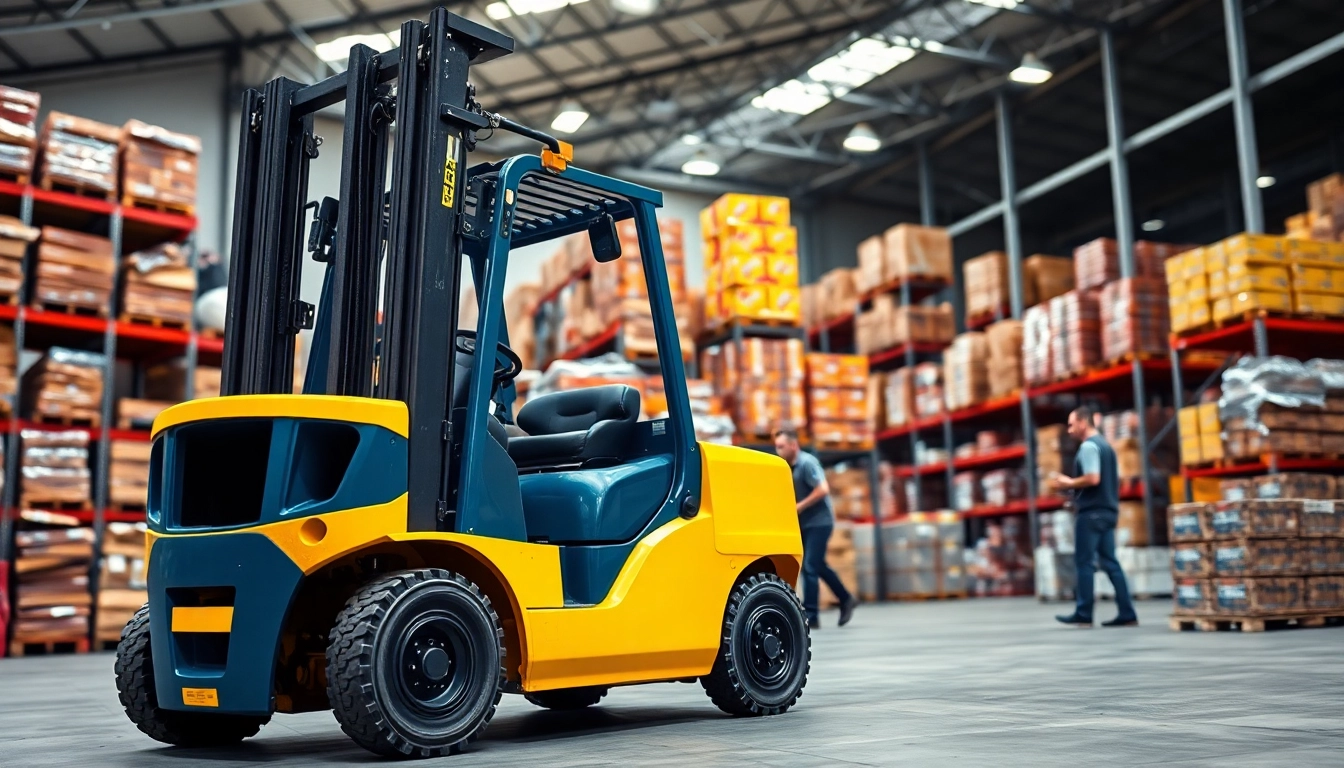
Forklifts, also known as lift trucks or industrial trucks, are versatile machines designed to move heavy loads across short distances. They consist of two forks located at the front, which can be raised and lowered, allowing the operator to pick up and transport various items ranging from pallets to larger equipment. Forklifts come in different sizes and types, adapted to specific applications, surfaces, and load capacities.
Key Components of Forklift
The basic components of a forklift include:
- Frame: The main structure that supports the entire forklift.
- Mast: The vertical assembly that lifts and lowers the load.
- Forks: The horizontal prongs used to lift the load; their width and length can vary.
- Drive System: The mechanism that powers the forklift, which can be electric, diesel, or propane.
- Operator Cabin: The area where the operator sits, often equipped with controls, a steering wheel, and safety features.
- Stability System: Ensures the forklift remains stable during operations, crucial for safety.
Common Uses of Forklift
Forklifts serve diverse functions across various sectors, including:
- Warehouse Operations: Ideal for moving pallets and products in warehouses for efficient stocking, retrieval, and inventory management.
- Construction Sites: Used for transporting building materials and machinery across job sites.
- Manufacturing: Streamlines operations by transporting raw materials and finished products.
- Retail: Helps manage inventory logistics from backroom storage to the sales floor.
- Agricultural Applications: Assists in transporting goods in farms and agricultural operations.
Types of Forklifts
Identifying the correct type of forklift for your specific needs can significantly affect your business’s efficiency and safety. Here we discuss the various classifications of forklifts.
Class I: Electric Motor Rider Forklifts
These forklifts are powered by electricity and are designed for indoor use. They feature a cushion tire for smooth operation on flat surfaces. Their quiet operation makes them ideal for environments where noise reduction is crucial.
Class II: Electric Motor Narrow Aisle Forklifts
Narrow aisle forklifts are designed to operate in tight spaces, maneuvering efficiently in narrow aisles. They are equipped with specialized forks and may incorporate reach technology to extend lifting capabilities.
Class III: Electric Pallet Jacks
These are smaller, lower-capacity forklifts primarily intended for lifting and transporting pallets across short distances. Standing models allow operators to ride along as they move, enhancing productivity in fast-paced environments.
Operation and Safety Guidelines
The operation of forklifts requires adherence to specific guidelines to ensure safe and efficient use. Proper training and compliance with regulations are essential for all operators.
Safe Operating Procedures for Forklift
Operators should follow established safety protocols, including:
- Conducting pre-checks before use, such as inspecting brakes, horns, and lights.
- Understanding load capacities and not exceeding them.
- Utilizing proper lifting techniques, ensuring the load is stable before movement.
- Maintaining clear visibility when maneuvering, especially around corners and obstacles.
- Wearing appropriate personal protective equipment (PPE).
Forklift Maintenance Best Practices
Routine maintenance is critical for ensuring a forklift operates efficiently and safely. Best practices include:
- Regularly checking fluid levels, such as hydraulic fluids and battery water.
- Inspecting tires for wear and tear, including air pressure for pneumatic tires.
- Cleansing the forklift regularly to prevent dirt buildup that can affect performance.
- Scheduling professional maintenance for mechanical and electronic systems as necessary.
Common Forklift Hazards and Prevention
Being aware of and mitigating potential hazards is essential. Some common risks include:
- Overturns: This can occur if the load is unbalanced or the forklift is operated on an incline. Training on load management is crucial.
- Collisions: These can happen if visibility is obstructed or operators are not paying attention. Implementing floor markings and signage can help.
- Struck-by accidents: These may occur when pedestrians are present. Creating a designated walkway for personnel reduces this risk.
Choosing the Right Forklift for Your Needs
Selecting an appropriate forklift involves assessing multiple factors, including capacity, application, and budget considerations.
Forklift Capacity Considerations
When choosing a forklift, capacity is paramount. This involves evaluating the following:
- The maximum weight capacity required for your operations.
- The dimensions of the loads, ensuring the forks can accommodate the size.
- Terrain variances, as forklifts on rough terrain might require higher capacities and sturdier designs.
Assessing Forklift Types for Different Tasks
Consider what tasks the forklift will most frequently perform. For instance:
- Warehouse operations may benefit from electric pallet jacks for light loads.
- Heavy industrial sectors will likely require internal combustion forklifts for heavier loads outdoors.
- Narrow aisles necessitate the use of narrow aisle forklifts to optimize storage space.
Rental vs Purchase: Pros and Cons
Deciding whether to rent or purchase a forklift can significantly impact profitability.
- Renting: Allows for flexibility, accommodating fluctuating workloads, while reducing upfront costs.
- Purchasing: While it requires a significant investment, it may result in long-term savings and asset ownership.
Advancements in Forklift Technology
The forklift industry continually evolves, driven by technological advancements which improve operations, safety, and efficiency.
Electric vs Diesel Forklift: Which is Better?
Electric forklifts are lauded for their eco-friendliness and lower operational costs, while diesel forklifts are favored for their power and performance in heavy duty applications. The choice depends on your specific operational needs and environmental considerations.
Automation in Forklift Operations
Automation technologies, such as autonomous forklifts and advanced logistics software, enhance operational efficiency by minimizing human error and maximizing productivity. These innovations help streamline inventory management and improve resource utilization.
Future Trends in Forklift Design and Usage
The future of forklifts may see advancements like enhanced automation, integration with Internet of Things (IoT) technologies for real-time data tracking, and evolving designs to improve operator safety and comfort.
Frequently Asked Questions
What is the maximum weight a forklift can lift?
The lifting capacity of a forklift varies widely, from 3,000 to over 100,000 pounds, depending on the forklift model and type.
How often should forklift maintenance occur?
Routine maintenance should be performed regularly—typically every 200-250 hours of use or as per manufacturer guidelines to ensure optimal performance.
Are there licenses required to operate a forklift?
Yes, operators must be certified and trained according to local regulations to ensure safe and effective operation of forklifts.
What are the key components of a forklift?
Key components include the frame, mast, forks, drive system, operator cabin, and stability system, each critical for forklift function and safety.
Can a forklift be used outdoors?
Yes, but the type of forklift dictates its suitability. Internal combustion forklifts are better for outdoor use, while electric models are ideal for indoor applications.