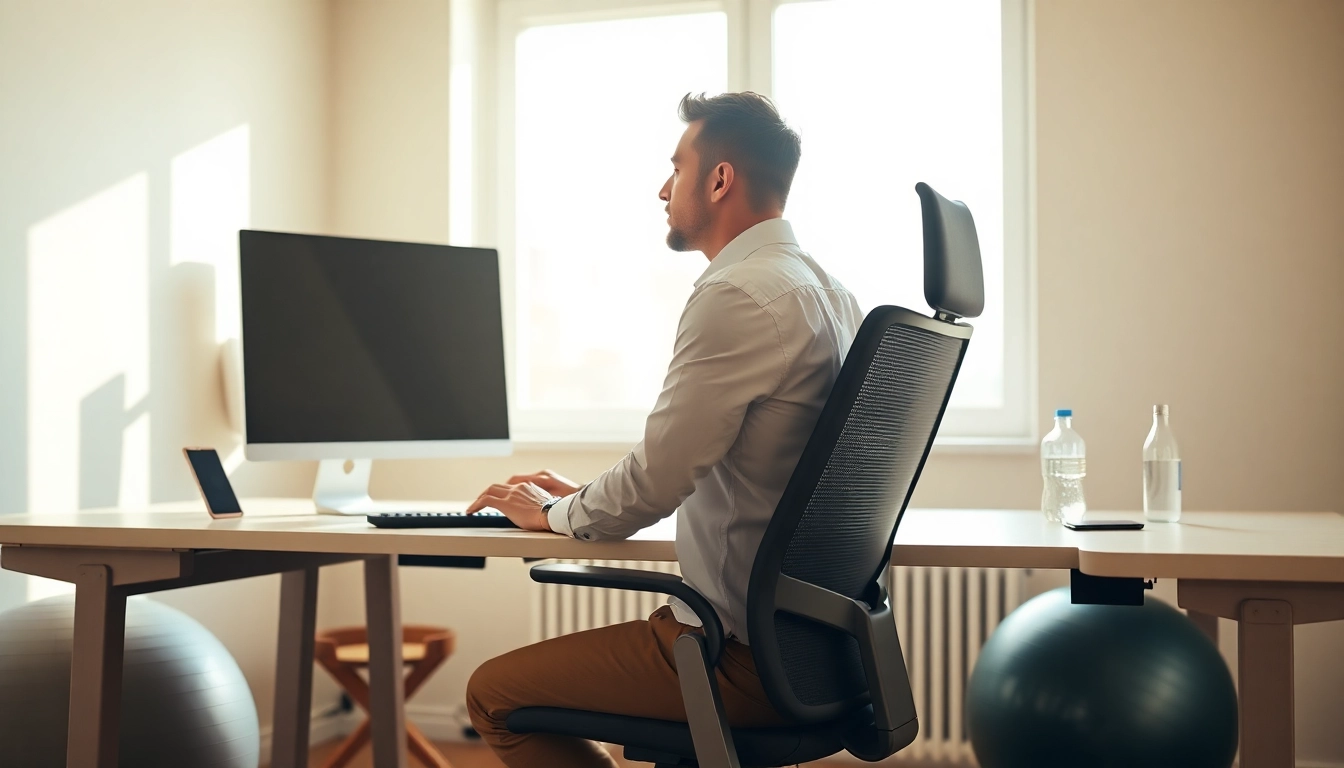
Understanding Posture and Its Importance
What is Posture?
Posture refers to the position in which someone holds their body while standing, sitting, or lying down. Good posture means aligning the body in a way that puts the least amount of stress on muscles and ligaments. It encompasses a harmonious arrangement of bones and soft tissues, ensuring that the body functions optimally. Whether you are sitting at a desk or standing in line, being mindful of your posture can establish a foundation for overall health.
Health Benefits of Good Posture
Maintaining good posture has numerous health benefits that enhance both physical functions and overall well-being. Here are some key advantages:
- Reduces back pain: Proper alignment can alleviate tension in the back muscles and spine, preventing common back issues.
- Improves breathing: When the body is aligned properly, the diaphragm can expand more fully, resulting in better oxygen intake.
- Enhances circulation: Good posture supports proper blood flow, reducing the risk of circulation-related issues.
- Boosts confidence: Standing tall can affect your mental state, helping you feel more confident and energetic.
- Increases productivity: Comfort and reduced fatigue from good posture can lead to improved focus and productivity at work.
Common Posture Problems
Despite the benefits of good posture, many individuals struggle with maintaining proper body alignment. Common posture problems include:
- Slouching: Often caused by prolonged sitting or poor workspace ergonomics.
- Forward head posture: Typically results from looking down at devices for extended periods.
- Rounded shoulders: Can develop from poor lifting techniques or a lack of upper back strength.
- Hyperlordosis: Excessive curving of the lower spine often linked with weak core muscles.
How to Improve Posture in Daily Life
Ergonomic Adjustments at Work
Creating an ergonomic workspace is critical for improving posture. Here are several adjustments to consider:
- Adjust your chair height to ensure that your feet are flat on the ground and knees are at or slightly below hip level.
- Use a lumbar support cushion to maintain natural spinal curvature.
- Position your monitor at eye level to prevent straining your neck.
- Ensure your keyboard and mouse are within easy reach to avoid overreaching.
Mindfulness and Posture Awareness
Being aware of your posture throughout the day helps reinforce good habits. Here are tips for mindfulness in posture:
- Set reminders on your phone to check your posture every hour.
- Practice posture-correcting stretches during breaks to relieve muscle tension.
- Engage in exercises like yoga or Pilates that emphasize body awareness and alignment.
Stretching and Strengthening Exercises
Incorporating stretching and strengthening exercises into your routine is essential for improving posture. Focus on:
- Stretching tight muscles: Key areas like the chest, hip flexors, and hamstrings often become tight and need attention.
- Strengthening weak muscles: Build strength in your core, upper back, and glutes to support proper alignment.
- Incorporating functional movements: Squats, lunges, and deadlifts can also help reinforce postural alignment while enhancing overall strength.
Posture Improvement Exercises You Can Do
Top Ten Effective Exercises
Here are some effective exercises that specifically target posture improvement:
- Wall Angels: Stand against a wall and slide your arms up and down, keeping contact with the wall to improve shoulder mobility.
- Seated Row: Use resistance bands or weights to engage your upper back muscles.
- Chest Opener Stretch: Hold your arms behind you and gently pull to stretch your chest.
- Plank: Strengthens the core which is crucial for maintaining good posture.
- Bird-Dog: A stability exercise that targets the core and lower back.
- Hip Flexor Stretch: A gentle stretch to open tight hips.
- Cat-Cow Stretch: Increases spinal flexibility while promoting core engagement.
- Bridges: Strengthen the glutes and lower back to support proper positioning.
- Side Plank: Targets the obliques to improve trunk stability.
- Child's Pose: A relaxing stretch to release tight back muscles.
Incorporating Movement into Your Routine
Finding ways to incorporate movement into your day can reduce the negative effects of prolonged sitting. Consider the following:
- Take frequent breaks to walk or stretch every 30 minutes.
- Incorporate active commuting methods like walking or cycling when possible.
- Add walking meetings or standing desks to your work routine.
Using Props to Support Posture
Utilizing props can aid in maintaining proper posture:
- Posture apps: Consider apps that remind you to check your posture and guide you through exercises.
- Stability balls: Sit on a stability ball for enhanced core engagement while working.
- Foam rollers: Use for myofascial release to relieve muscle tightness and improve mobility.
Tracking Your Progress in Posture Improvement
Setting Achievable Goals
Establishing clear and achievable posture-related goals can boost your commitment:
- Define specific goals such as sitting properly for the entire workday or completing a daily exercise routine.
- Use a gradual approach to avoid overwhelm, focusing on one posture change at a time.
Utilizing Technology for Monitoring
Leverage technology to monitor and improve your posture:
- Wearable posture trackers that notify you when you slouch.
- Apps that provide exercise tutorials tailored to your posture needs.
Keeping a Journal of Changes
Documenting your progress helps stay aware of improvements:
- Log daily activities, positions, and awareness levels regarding posture.
- Track any changes you notice in your body, such as reduced pain or increased energy levels.
Frequently Asked Questions About Posture
Can You Correct Years of Bad Posture?
Yes, improvements can still be made. With consistent effort, exercises, and mindfulness, you can work towards better alignment even after years of bad posture.
What is Correct Posture for Long-Term Health?
Correct posture involves keeping the head over your shoulders, shoulders back, and the pelvis in a neutral position, supporting overall health and function.
Are There Tools to Help Improve Posture?
Yes, tools like posture correctors, ergonomic chairs, and apps can provide support and reminders to maintain good posture throughout the day.
How Does Posture Affect Overall Health?
Poor posture can lead to pain, reduced mobility, and compromised organ function. Good posture promotes physical well-being, reduces stress, and increases confidence.
What Exercises Help Maintain Good Posture?
Exercises such as planks, wall angels, stretching routines, and core-strengthening activities contribute significantly to maintaining good posture.
Improving posture is a multifaceted approach requiring awareness, physical adjustments, and consistent effort. By following these guidelines and integrating proactive practices into your daily routine, you can significantly enhance your posture and overall health. For more detailed insights on How to improve posture, consider additional resources that align with your specific needs.