Understanding Distilled Water and Reverse Osmosis
In the quest for clean and safe drinking water, many individuals and families are faced with the decision between distilled water and reverse osmosis (RO) water. Each method has its own merits, and understanding the nuances between them is essential for making informed choices. With increasing awareness of water quality issues, it's vital to grasp not only the benefits but also the limitations of these two popular purification methods. When exploring options, distilled water purified water difference provides comprehensive insights that can guide your selection. This article delves deep into both types of water, offering a comparison that highlights their processes, advantages, and potential drawbacks.
What Is Distilled Water?
Distilled water is produced through a meticulous purification process known as distillation. This method involves boiling water to create steam, which then condenses back into liquid form after leaving impurities behind. The result is a highly purified liquid, often used in laboratory settings, pharmaceuticals, and industrial applications where mineral-free water is essential. Distilled water boasts an extremely low concentration of dissolved solids, making it almost entirely devoid of salts, minerals, and other contaminants. However, this lack of minerals can affect its flavor and nutritional profile.
What Is Reverse Osmosis Water?
Reverse osmosis water is generated by forcing water through a semi-permeable membrane under pressure. This system effectively removes contaminants such as heavy metals, chlorine, and dissolved solids while allowing clean water molecules to pass through. Most reverse osmosis systems also incorporate pre-filters, such as sediment and carbon filters, to enhance the purification process. Additionally, some advanced RO systems come equipped with post-filtration stages, including ultraviolet (UV) sterilization, to ensure even higher safety standards. The end result is water that is not only clean but often has an improved taste due to the retention of beneficial minerals.
Key Characteristics of Both Water Types
While distilled water and reverse osmosis water both aim to deliver clean drinking water, there are notable differences in their production, taste, and usability:
- Purity: Both methods effectively remove a wide range of contaminants; however, distilled water achieves a higher level of purity by eliminating virtually all minerals.
- Taste: Reverse osmosis water generally offers a fresher taste, as it retains some essential minerals, whereas distilled water often has a flat flavor profile.
- Energy Used: Distillation is energy-intensive due to the boiling process, while reverse osmosis typically consumes less energy.
Similarities Between Distilled and Reverse Osmosis Water
Both Remove the Vast Majority of Contaminants
Regardless of the method, both distilled and reverse osmosis water purification systems excel at removing a multitude of common contaminants found in tap water. Both methodologies can significantly lower levels of chlorine, heavy metals, and other harmful impurities, resulting in water that is far purer than what standard filtration can provide.
Both Provide High-Purity Drinking Water
When it comes to providing safe and high-quality drinking water, both distilled and RO systems deliver exceptional results. Their ability to produce water that meets or exceeds regulatory standards makes them suitable for people concerned about the quality and safety of their drinking supplies.
Both Are More Environmentally Friendly Than Bottled Water
Using either distilled or RO water reduces reliance on bottled water, leading to fewer plastic waste and associated environmental impacts. By implementing these systems, households can contribute significantly to environmental sustainability while ensuring access to clean drinking water.
Key Differences: Distilled vs. Reverse Osmosis Water
Purification Methods
While both systems are effective, their methods of purification are fundamentally different. Distillation boils water to create steam and condenses it back, while reverse osmosis utilizes membrane technology to filter out contaminants. Each method has its specific advantages, making it crucial to choose based on individual needs and preferences.
Taste and Overall Experience
The taste of water can significantly affect hydration habits. Reverse osmosis water is often preferred for its fresher and more palatable flavor, largely due to the retention of certain minerals during the filtration process. In contrast, distilled water may be perceived as tasteless or flat due to the complete removal of these minerals.
Energy Efficiency and Usability
Energy consumption is an important consideration for many households. Reverse osmosis systems typically operate more efficiently than distillation units, consuming considerably less energy. Additionally, RO systems provide a continuous supply of filtered water, making them more practical for everyday use in households.
Health Considerations of Drinking Distilled Water
Why Is It Not Recommended for Long-Term Hydration?
While distilled water is safe to drink, it is generally not recommended for long-term hydration. This is primarily due to its lack of essential minerals, which are important for various bodily functions. Prolonged consumption of distilled water may lead to deficiencies of minerals like calcium and magnesium.
Potential Deficiencies and Health Risks
Drinking distilled water exclusively over long periods can pose certain health risks, including potential electrolyte imbalances. Individuals relying solely on distilled water may find themselves lacking in necessary nutrients, resulting in health issues over time. It's essential to consider balanced hydration options that include mineral intake.
Expert Opinions on Water Choices
Experts in nutrition and health typically advocate for water that contains a certain level of minerals. Reverse osmosis systems often include a remineralization stage to enhance the water's nutritional profile, making them a preferred option for daily hydration.
Choosing the Right Water Purification System for Your Home
Why Countertop Reverse Osmosis Water Purifiers Are Best for Rentals
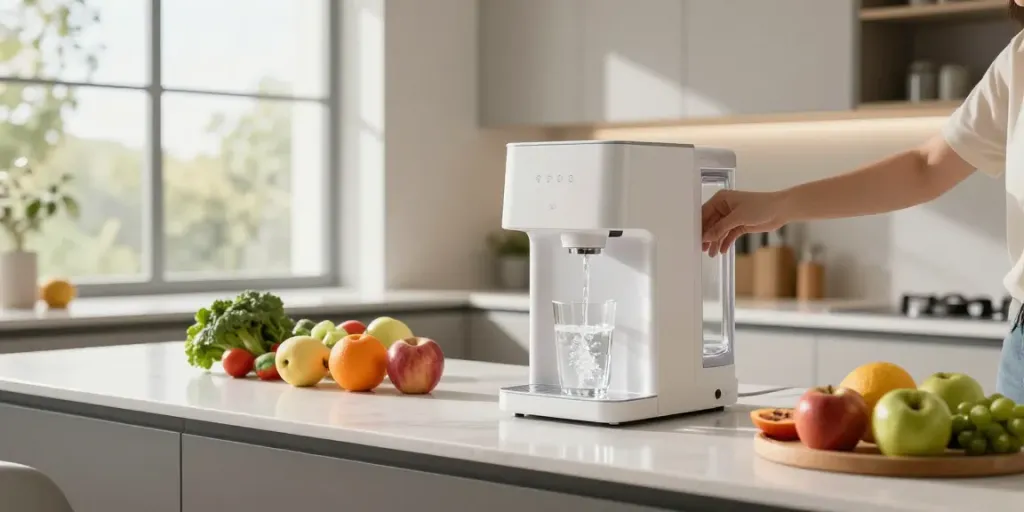
For renters and those living in shared spaces, countertop reverse osmosis water purifiers offer a practical and efficient solution. They require no installation and are easily transportable, making them ideal for apartments and rental homes where plumbing modifications may not be an option.
Features to Look for in an RO System
When selecting a reverse osmosis system, consumers should prioritize features such as:
- Multiple stages of filtration for enhanced purification
- Remineralization capabilities to improve taste
- UV sterilization for additional safety
- Compact design suited for small spaces
Conclusion and Sustainable Water Choices
Ultimately, the choice between distilled water and reverse osmosis water rests on individual preferences and needs. While distilled water offers the highest purity, it may not be ideal for everyday consumption over long periods. In contrast, reverse osmosis water strikes a balance between purity, taste, and convenience, making it a more sustainable option for daily hydration.
What is better for you to drink, distilled water or purified water?
Purified water, such as that obtained through reverse osmosis, is generally better for daily hydration as it retains some minerals and provides a better taste, while distilled water is more suitable for specific applications that require ultra-pure water.
Does distilled water have any electrolytes?
No, distilled water lacks electrolytes because the distillation process removes nearly all minerals, making it unsuitable for long-term hydration.
Can I use purified water instead of distilled water?
Yes, purified water can often be used in place of distilled water for most purposes, especially when the need for minerals is considered and the taste is preferred.
Is reverse osmosis water safe for daily drinking?
Yes, reverse osmosis water is safe for daily consumption and effectively removes many contaminants commonly found in tap water.
How does the cost compare between distilled and reverse osmosis water?
The costs associated with distilled water can add up, especially if purchased bottled. In contrast, the initial investment in a reverse osmosis system can be offset by the long-term savings from reducing bottled water purchases.