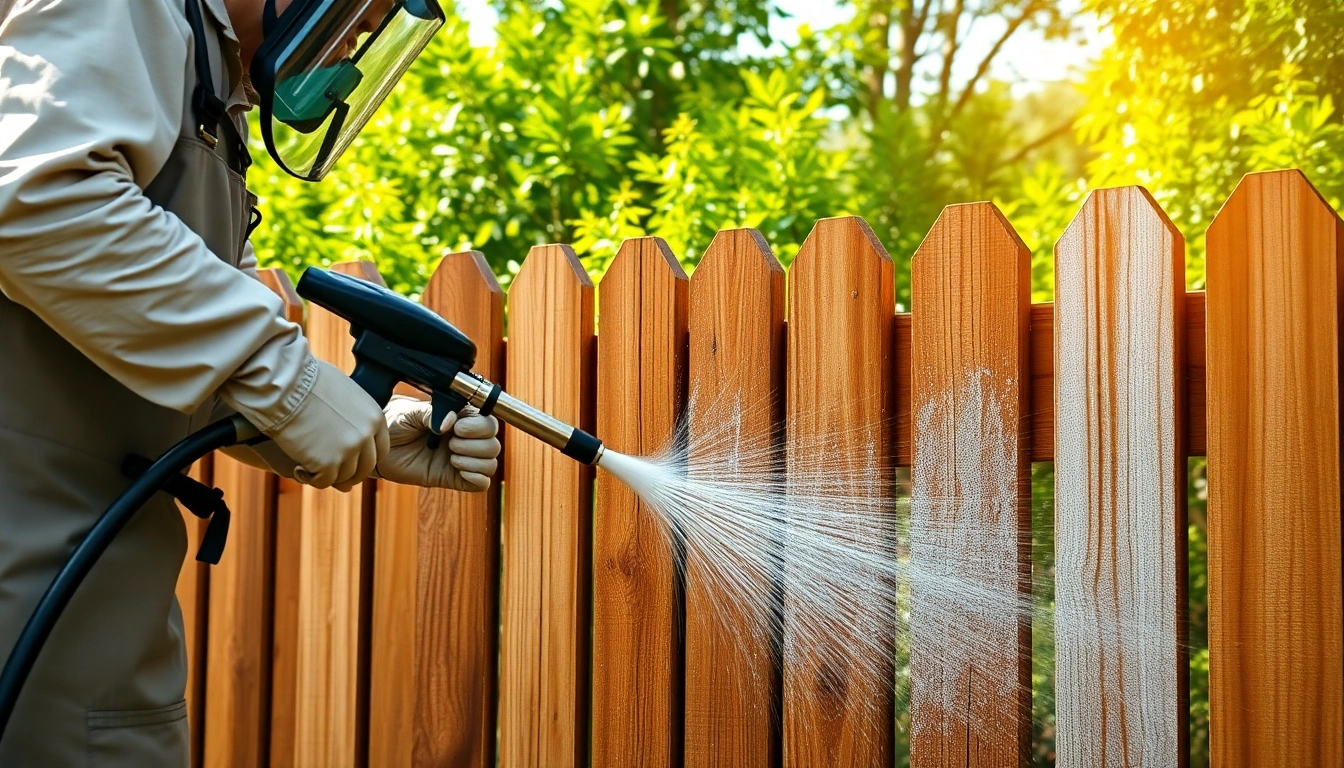
Understanding the Importance of Fence Cleaning
Fences outline our properties, serving both aesthetic and functional purposes. However, many homeowners overlook the necessity of regular Fence Cleaning. Neglecting their upkeep not only diminishes their visual appeal but can also lead to potential structural issues over time. Here, we will explore the significance of maintaining a clean fence, the challenges faced during the process, and the health benefits associated with cleanliness.
Why Regular Maintenance Matters
Regular fence cleaning protects the material from damaging elements like mold, mildew, and dirt buildup. Wood fences, in particular, can warp, rot, or attract pests when not properly maintained. Cleaning fosters longevity, ultimately saving you money on premature repairs or replacements. It also enhances the overall beauty of your property, adding value and curb appeal. A well-maintained fence signals care and pride in your home, creating a welcoming atmosphere for guests and passersby alike.
Common Challenges in Fence Cleaning
While the process of cleaning a fence may seem straightforward, various challenges can arise. For instance, green algae and mildew can be particularly stubborn, often requiring specialized cleaning techniques to eliminate effectively. Additionally, improper cleaning methods such as pressure washing can damage certain materials like wood or vinyl, leading to further expenses. Identifying the type of fence material and its condition is crucial for choosing the correct cleaning approach.
Health Benefits of a Clean Fence
A clean fence contributes to a healthier environment around your home. Accumulated dirt and organic matter can attract pests and promote allergenic mold growth. By regularly cleaning your fence, you minimize these risks, creating a safer outdoor space for children and pets. Beyond the visible cleanliness, maintaining your fence can promote better air quality and reduce the spread of allergens, enhancing overall well-being for your household.
Different Types of Fences and Their Cleaning Needs
Each type of fencing material has unique cleaning requirements. Understanding these differences is vital to implement effective cleaning methods. What works well for a wood fence may damage a vinyl or metal one, so let’s break down the specific needs for various fence materials.
Wood Fences: How to Clean Safely
Wood fences require gentle cleaning techniques to avoid damage. Start by removing loose debris and dirt with a broom or a soft brush. A mixture of water and a mild detergent can be effective for light stains, while tougher mildew might need a diluted bleach solution. Apply this solution with a soft-bristle brush, scrubbing in the wood's grain to prevent scratches, and rinse thoroughly afterward. It’s also essential to seal or stain the wood periodically to provide protection against the elements.
Vinyl and PVC Fences: Best Practices
Vinyl fences are generally low-maintenance but still require regular cleaning to prevent dirt buildup. Using a mixture of water and mild soap is typically sufficient. For tougher stains like graffiti, specialty vinyl cleaners may be required. Avoid abrasive cleaners or stiff brushes as they can scratch the surface. Rinsing with a hose will complete the process, ensuring all soapy residue is washed away. The non-porous nature of vinyl fences makes them resistant to mold and mildew, but regular maintenance remains essential for longevity.
Metal Fences: Effective Methods
Metal fences, whether aluminum or wrought iron, benefit from regular cleaning to prevent rust and corrosion. A diluted mixture of water and mild detergent should suffice for cleaning. For heavy grime, a scrub brush or a non-abrasive pad may be necessary. Regular inspections for signs of rust will enable early intervention, which involves sanding down affected areas and applying protective coatings. Keep in mind that, unlike wood and vinyl, metal fences may require paint touch-ups or re-coating more frequently.
Step-by-Step Guide to Fence Cleaning
A systematic approach can streamline the cleaning process, ensuring thoroughness and efficiency. Follow these guidelines to maintain your fence effectively.
Preparation: What You Need
Before starting, gather your supplies. Depending on your fence type, you may need a broom or brush, mild detergent, a bucket, a garden hose, and protective gear like gloves and goggles. For wood, you may also consider a deck cleaner or bleach solution, while for vinyl or metal, a softer approach with a diluted soap solution is sufficient. Make sure to clear the area around the fence to avoid any hazards during cleaning.
Cleaning Techniques: Pressure Washing vs. Soft Washing
Choosing between pressure washing and soft washing depends on your fence material. Pressure washing utilizes high-pressure water jets that can effectively remove dirt and stains but may damage delicate surfaces like wood if used incorrectly. Soft washing, employing lower pressure combined with safer cleaning agents, is suitable for a broader range of materials. It's often recommended for more sensitive surfaces to prevent damage while still achieving effective cleaning results.
Finishing Touches: Rinsing and Maintenance
After cleaning, always rinse the fence thoroughly to remove any soapy residue. For wooden fences, consider applying a sealer or stain to protect against adverse weather conditions. Routine maintenance checks every few months will help you identify any growing issues before they escalate, allowing your fence to serve its purpose for years to come.
DIY Fence Cleaning Solutions
For those looking to save on costs, several effective DIY cleaning solutions can be used. Let’s explore some homemade cleaners and when it’s appropriate to opt for commercial products.
Homemade Cleaning Solutions That Work
A simple vinegar and water solution (1:1 ratio) can effectively clean and remove mold from fences. Alternatively, a more potent solution of bleach mixed with water (1 part bleach to 3 parts water) can combat severe mildew but should be used carefully to prevent damage to the surrounding plant life. Always test the solution on a small area first to ensure compatibility with your fence material.
When to Use Commercial Products
In some instances, commercial cleaning products might prove more effective, especially for persistent stains or unique materials. Read the labels carefully to ensure compatibility with your specific fence type. Many commercial products come pre-diluted and can save time while often delivering superior results per square foot compared to homemade solutions.
Safety Tips for DIY Cleaners
Safety should be a top priority while utilizing cleaning chemicals. Always wear gloves, goggles, and protective clothing to prevent skin irritation and eye exposure. Ensure the space is well-ventilated, especially when using bleach-based solutions. Be aware of any surrounding plants or landscaping that could be affected by cleaning agents, and take appropriate precautions to protect them.
Cost Considerations for Professional Fence Cleaning
If you prefer a hands-off approach, hiring professionals may be worthwhile. Understanding the factors that influence costs will help you budget effectively.
Factors Affecting the Cost
Cost can vary depending on several factors, including fence size, material type, and local labor rates. Additionally, the extent of dirt buildup and difficulty of access can also impact pricing. Ensure to get multiple quotes from service providers to assess fair prices within your area.
Average Pricing Based on Fence Size
Fence cleaning prices typically range from $0.50 to $2.00 per linear foot, with average pricing based on size. A 50-foot fence can cost anywhere from $30 to $200 for cleaning, while larger fences can yield greater cumulative savings but may require more investment upfront.
Is DIY Cleaning Worth It?
DIY fence cleaning can save considerable money, but it also demands time and effort. Assess your comfort with the tools and materials required, as well as the physical demands of the task. If your fence requires advanced cleaning or repair, hiring professionals is advisable to ensure quality and prolong the lifespan of your investment.
FAQs
1. How often should I clean my fence?
It's recommended to clean your fence at least once a year to prevent buildup of dirt and mildew, but more frequent cleaning may be necessary in humid or rainy climates.
2. Can I use bleach on all types of fences?
Bleach can harm some fence materials like vinyl or colored metal, so it’s best to conduct a spot test first and consult guidelines for your specific fence type.
3. What is the best way to remove mold from a wood fence?
A mixture of white vinegar and water or a mild detergent can effectively eliminate mold. Scrub affected areas gently, then rinse thoroughly.
4. How long does fence cleaning take?
The time required varies based on the fence size and condition, but most cleaning jobs typically take between 1 to 3 hours, including setup and drying time.
5. Are professional cleaning services worth it?
While professional services may be more costly, they often provide exceptional results, save time, and help avoid damage to the fence from improper cleaning.