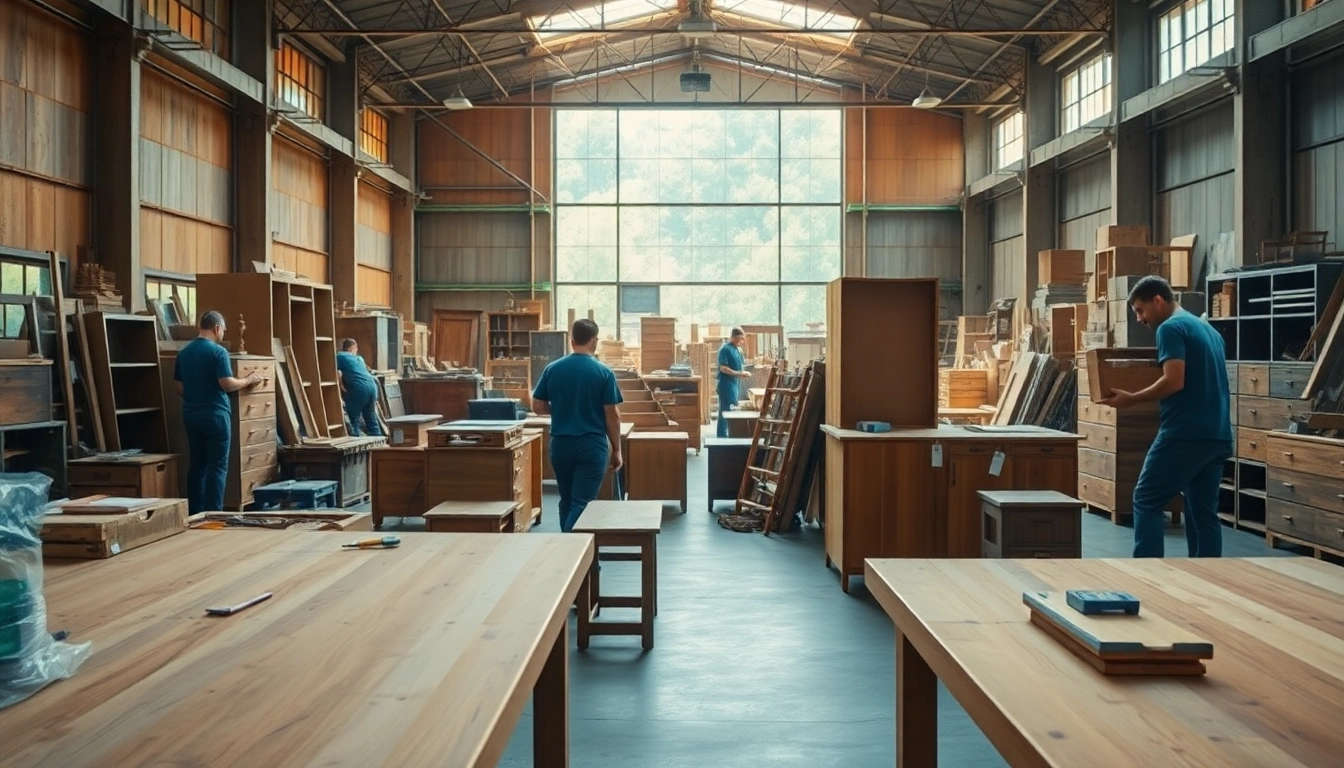
Understanding Furniture Recycling
What is Furniture Recycling?
Furniture recycling involves breaking down unwanted or old furniture in an environmentally friendly manner, allowing valuable materials to be reclaimed and reused. This process mitigates the impact on landfills and decreases the demand for new materials by repurposing existing resources. It encompasses various methods, including dismantling, reusing components, and recycling materials like wood, metal, and upholstery. Understanding this process is essential for making informed decisions about disposing of furniture responsibly.
Benefits of Furniture Recycling
The advantages of furniture recycling are multi-faceted. Firstly, it significantly reduces the amount of waste that ends up in landfills, contributing to less environmental degradation. Additionally, recycling conserves natural resources by reducing the need to harvest new materials. It also saves energy, as less energy is required to recycle materials than to produce new ones from raw supplies. Furthermore, many furniture recycling programs support local economies by creating job opportunities in recycling and manufacturing industries.
Common Materials for Furniture Recycling
Furniture may consist of various recyclable materials, including:
- Wood: Solid wood is highly valued and can be repurposed for projects or recycled into new products.
- Metal: Frames and hardware made from metals like steel or aluminum can be melted down and reshaped.
- Upholstery: Textiles can be recycled into insulation or other products, and foam can be processed for reuse.
- Glass: Often used in tabletops and shelving, glass can be recycled indefinitely without losing quality.
- Plastics: Plastic components, though more challenging to recycle, can still be processed into new products.
How to Properly Recycle Furniture
Steps to Prepare Furniture for Recycling
Before recycling furniture, certain steps should be taken to ensure it’s ready for the process:
- Assess Condition: Determine if the furniture can be repaired or reused. If not, prepare it for recycling.
- Disassemble: Take apart any components where feasible to facilitate recycling of individual materials.
- Clean: Clear out any personal belongings and clean the furniture to prepare it for handling.
- Separate Materials: Sort materials (wood, metal, upholstery) to streamline the recycling process.
Finding a Recycling Center
Locating a suitable recycling center can be straightforward. Start by searching local directories or online resources that specialize in furniture recycling. Many cities also have municipal programs that offer recycling services. Look for facilities equipped to handle specific materials; for instance, some centers may focus on electronics or heavy appliances.
Local Regulations on Furniture Recycling
Understanding local regulations regarding furniture recycling is crucial. Some jurisdictions may have specific laws governing how and where furniture can be disposed of or recycled. This can include restrictions on hazardous materials like certain glues and finishes, as well as requirements for safe disposal practices. Always check with local environmental authorities for guidelines in your area.
Donation vs. Recycling: Making the Right Choice
When to Donate Furniture?
Donation is often the first option for furniture still in usable condition. If items are gently used, clean, and functional, consider donating them to local charities or thrift stores. This not only provides relief to those in need but also extends the lifespan of the furniture and keeps it out of landfills.
When to Recycle Furniture?
Recycling should be the chosen method when furniture is beyond repair or reuse. This includes heavily damaged items or those made with non-donatable materials. Recycling ensures that the materials are repurposed in a manner that minimizes waste and environmental impact.
Connecting with Charities
Establishing connections with charitable organizations is vital for effective furniture donation. Many organizations have specific guidelines regarding acceptable items. Reach out to local shelters, churches, or charitable thrift shops to learn about their needs and schedules for pick-up, as this can vary widely across different groups.
Innovative Furniture Recycling Techniques
Upcycling Furniture
Upcycling has emerged as a popular trend in furniture management. This process entails creatively repurposing old furniture into new items, often enhancing their aesthetic or functional value. For instance, an old dresser can be converted into a stylish TV stand, thus prolonging its life and reducing waste.
Sustainable Manufacturing Practices
Manufacturers are increasingly adopting sustainable practices that utilize recycled materials in their production cycles. By embracing principles such as the circular economy, companies can minimize waste and enhance material recovery, thereby supporting environmental sustainability while also appealing to eco-conscious consumers.
Community Initiatives in Furniture Recycling
Grassroots efforts often proliferate awareness and promote furniture recycling within communities. Such initiatives can include public workshops on upcycling techniques, local sorting drive events, or community clean-up days focused on collecting recyclable items. Engaging local residents can foster a community spirit while promoting environmental responsibility.
FAQs About Furniture Recycling
Where can I recycle furniture?
You can recycle furniture at local recycling centers, municipal waste facilities, or special events organized by municipalities. Some furniture retailers offer take-back programs too.
What types of furniture can be recycled?
Most furniture can be recycled, including wooden, metal, and some upholstered items. However, it largely depends on local recycling capabilities and regulations.
Is there a cost to recycle furniture?
Costs associated with recycling furniture can vary. Some centers may charge fees for large items, while many charitable organizations may offer free pick-up for donations.
How to prepare my furniture for recycling?
Prepare your furniture by cleaning it, disassembling parts if possible, and separating materials. Ensure it's free of personal belongings and hazardous materials.
What are the benefits of recycling furniture?
Recycling furniture reduces landfill waste, conserves natural resources, saves energy, and can even create jobs in local recycling industries, contributing to a healthier environment.