Understanding Pool Enclosure Options
With the growing trend of enhancing outdoor living spaces, more homeowners are considering investing in a Pool Enclosure. These structures not only add aesthetic appeal but also offer numerous benefits, from safety to convenience. In this article, we delve deep into the various types of pool enclosures, their advantages, and what you should consider when selecting the right option for your home.
Types of Pool Enclosures
Pool enclosures come in several styles and designs, each serving different needs and preferences. Here are the most common types:
- Screen Enclosures: Made from durable mesh materials, screen enclosures protect your pool from debris while allowing airflow. They are ideal for warmer climates where you want to reduce foliage without enclosing the entire space.
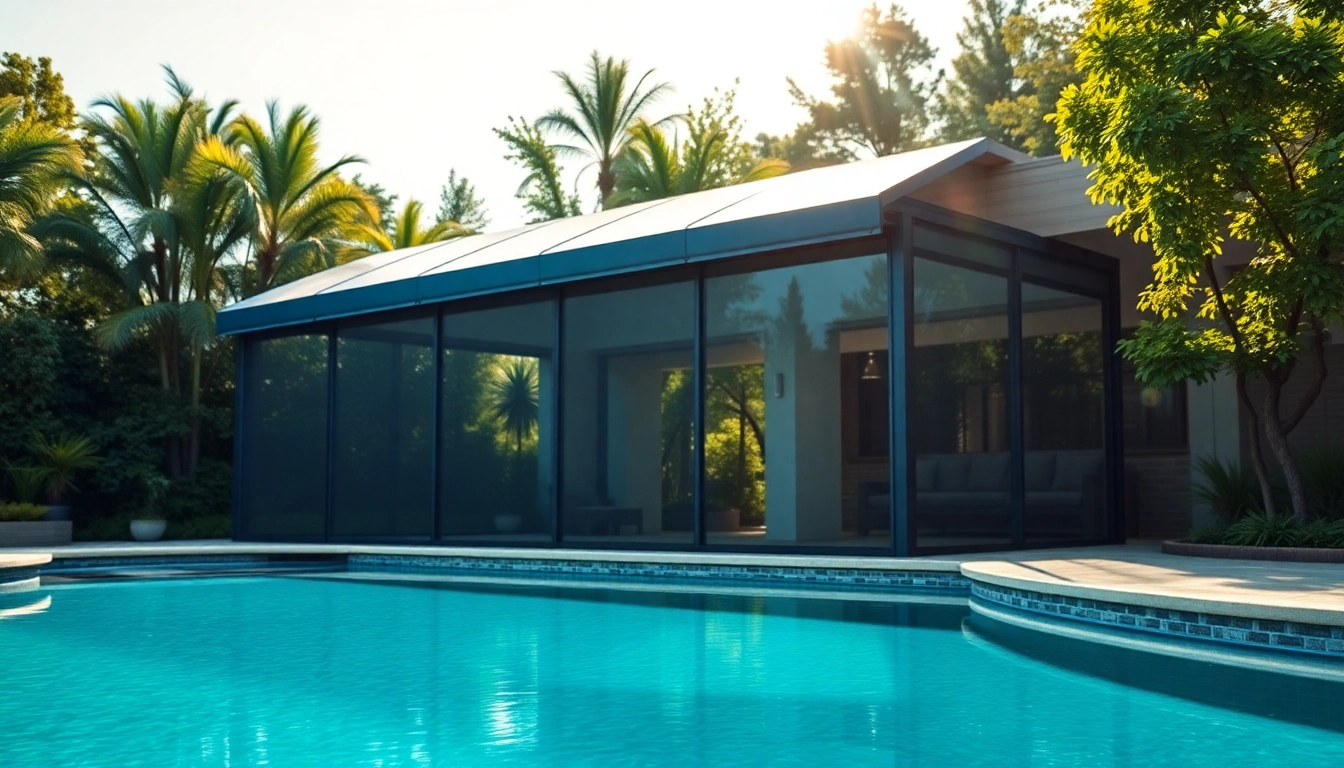
- Glass Enclosures: Offering a seamless view of your surroundings, glass enclosures provide excellent wind protection without sacrificing aesthetics. They can be customized in various designs, making them suitable for any landscape.
- Polycarbonate Enclosures: Known for their durability, polycarbonate enclosures are resistant to UV rays and impacts. They are available in retractable options, providing flexibility depending on weather conditions.
- Inflatable Enclosures: A more budget-friendly option, inflatable enclosures are portable and easy to set up. They can turn your pool into a warmer swimming space but may not be as durable as permanent structures.
Benefits of Using a Pool Enclosure
Installing a pool enclosure can significantly improve your pool experience. Here are some essential benefits:
- Extended Swimming Season: A pool enclosure allows you to enjoy swimming year-round by maintaining water temperature and reducing evaporation. Whether you use a heater or rely on the sun, enclosures help to ensure comfortable swimming conditions at any time.
- Reduced Maintenance: Enclosures protect your pool from leaf debris, dirt, and insects, which means less time spent cleaning and maintaining the water quality.
- Safety: Pool enclosures act as a barrier to prevent accidental drownings, particularly for children and pets. This added layer of safety gives peace of mind to homeowners.
- Energy Efficiency: By reducing the need for heating, pool enclosures can lower energy costs over time, making them economically attractive in the long run.
Choosing the Right Pool Enclosure for Your Needs
When selecting an enclosure, consider your preferences, local climate, and budget. Here are factors to keep in mind:
- Material: Consider how much maintenance you’re willing to perform. Glass may require regular cleaning, while screens may only need occasional repair from wear.
- Size: Ensure that the enclosure fits well within your backyard space and leaves adequate room for furniture and activities.
- Design: Select a style that complements your home’s architecture and outdoor aesthetics. There are various options available for different shapes and colors.
- Accessibility: Look for designs that allow easy entry and exit, especially if children or elderly family members will use the pool.
Factors to Consider Before Installation
Assessing Your Space and Requirements
Before you install a pool enclosure, accurately assess your available space. Consider your yard’s layout, landscaping, and existing structures. Understand your needs—do you want a simple shelter or a luxurious atrium-like feel? This assessment will guide you to the right style and size.
Understanding Local Regulations and Codes
Each locality has its building codes and regulations regarding pool enclosures. Before commencing installation, check with local authorities for any permits or zoning requirements. Regulations may dictate height, structure type, and material, ensuring that the enclosure is compliant and safe for use.
Evaluating Material Options for Pool Enclosure
Choosing the right materials is critical for durability and functionality. Here’s a brief overview of popular materials:
- Aluminum: Lightweight and corrosion-resistant, aluminum frames are ideal for durability and easy maintenance.
- Polycarbonate: Excellent for thermal insulation and UV protection, polycarbonate provides the benefits of glass with added strength.
- Fiberglass: Known for flexibility and impact resistance, fiberglass enclosures can endure harsh weather while maintaining aesthetics.
Cost Considerations for Pool Enclosures
Average Installation Costs
The cost of installing a pool enclosure varies widely based on material, size, and complexity. Generally, you can expect to pay between $5 and $15 per square foot for screen enclosures, while glass options may range from $15 to $65 per square foot. Increasing size and features will, of course, impact these estimates.
Maintenance Costs Over Time
While enclosures reduce pool maintenance needs, they do incur their own upkeep costs. Screen enclosures may require occasional repairs due to wear, while glass may need regular cleaning to keep it transparent. Polycarbonate options are typically low-maintenance, making them a cost-effective long-term choice.
Long-Term Value of Pool Enclosure
A pool enclosure is an investment that pays off in multiple ways, from safety and reduced cleaning efforts to energy efficiency and enhanced property value. Many homeowners find that having an enclosed swimming area elevates their quality of life and enables year-round enjoyment.
Enhanced Safety Features of Pool Enclosures
Child Safety Benefits
One of the primary advantages of a Pool Enclosure is increased safety for children. Enclosures act as a barrier, preventing children from accessing the pool without adult supervision. This is an essential feature for families with young ones or pets.
Protection from Environmental Elements
Pool enclosures shield against harsh weather conditions, such as rain, high winds, and debris, while also blocking harmful UV rays. This protection ensures that your pool remains inviting and safe for swimming at all times.
Preventing Unwanted Wildlife Access
Another benefit is the prevention of unwanted wildlife from entering the pool area. Birds, small mammals, and insects can easily contaminate a pool. Enclosures provide a shield that keeps these intruders out, helping maintain clean and sanitary pool conditions.
FAQs About Pool Enclosures
What is a Pool Enclosure?
A pool enclosure is a protective structure that surrounds a swimming pool, providing safety, cleanliness, and an extended swimming season.
How do I maintain my Pool Enclosure?
Regular cleaning and inspections are essential. Use mild cleaners to avoid damaging surfaces and check for any wear or damage frequently.
Can Pool Enclosures reduce heating costs?
Yes, pool enclosures help retain heat and reduce evaporation, which leads to lower heating costs and more comfortable swimming temperatures.
Are Pool Enclosures worth the investment?
Absolutely! They provide safety, reduce maintenance efforts, and extend your swimming season, making them a smart long-term investment for homeowners.
Do I need a permit for a Pool Enclosure?
Typically, yes. Most localities require permits for pool enclosures, so check with your local regulations to ensure compliance with zoning laws.