Understanding Containerized Wastewater Treatment Systems
In today's world, effective wastewater treatment is crucial for maintaining healthy ecosystems and meeting regulatory standards. Containerized wastewater treatment systems are innovative solutions designed to address various water treatment challenges efficiently. These systems offer an integrated, modular approach to handling everything from domestic sewage to complex industrial effluents. By leveraging prefabricated technology, these systems can be deployed rapidly, offering flexibility and compliance with stringent environmental regulations.
What Are Containerized Wastewater Treatment Systems?
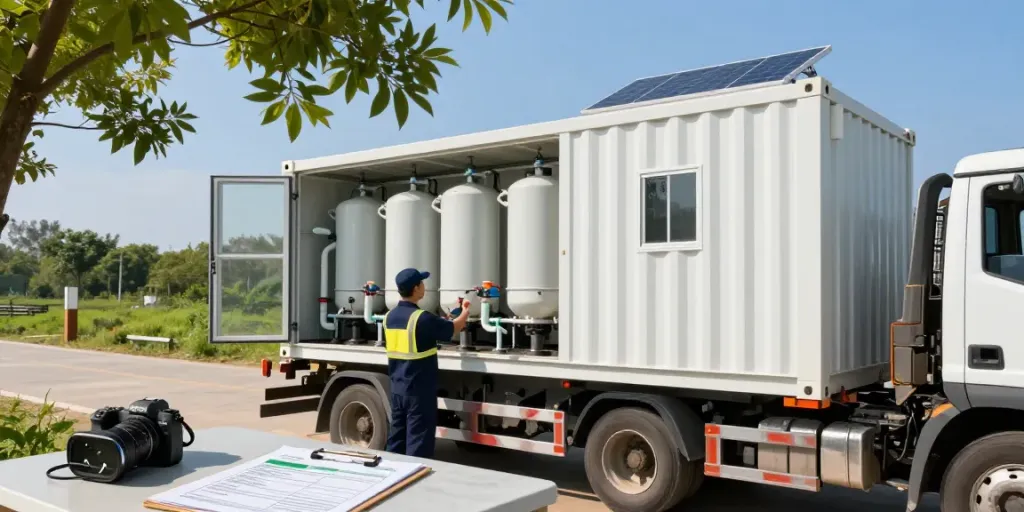
Containerized wastewater treatment systems are modular units built within standard shipping containers, typically 20 or 40 feet in length. These systems are engineered to treat wastewater on-site, significantly simplifying the logistics of wastewater management. Their pre-assembled nature allows for quick installation, making them an ideal solution for both temporary and permanent applications.
The design of these systems accommodates various treatment processes, including biological, mechanical, and chemical treatments. This versatility makes them suitable for a wide range of applications, from residential developments to industrial facilities.
Key Features and Technologies
Containerized wastewater treatment systems incorporate several advanced technologies to ensure efficient operation:
- Modular Design: The systems can be easily expanded by adding more units, enabling scalability and adaptability to varying treatment needs.
- Automated Monitoring: Many units come equipped with sensors and control systems that monitor performance, chemical dosing, and effluent quality, ensuring compliance with environmental standards.
- Energy Efficiency: Innovative technologies reduce energy consumption, making these systems more sustainable and cost-effective over time.
- Biological Treatment Processes: Methods like Sequencing Batch Reactors (SBR) and Membrane Bioreactors (MBR) enhance treatment efficiency by optimizing biological breakdown of pollutants.
Advantages of Containerized Solutions
Rapid Deployment and Flexibility
One of the standout advantages of containerized wastewater treatment systems is their ability to be deployed rapidly. These systems typically require just a flatbed truck and a crane for installation, allowing for operational readiness within days. This quick turnaround is particularly vital in emergency situations or in remote areas where traditional infrastructure may be lacking.
Compliance with Environmental Regulations
Containerized systems are designed to meet or exceed local and international environmental regulations. Their compact and efficient nature allows for lower emissions and less environmental impact compared to traditional treatment methods. Systems can be tailored to local regulatory requirements, ensuring that treated effluent meets the necessary quality standards before discharge.
Cost-Effective Operational Benefits
While the initial investment in containerized wastewater treatment may be higher than conventional systems, the long-term savings can be significant. These systems reduce operational costs through their energy efficiency and minimized need for chemical inputs. Additionally, their modular design allows clients to scale the system as needed, providing financial flexibility without the burden of overbuilding capacity.
Best Practices for Implementation
Site Selection and Preparation
Choosing the right location for a containerized wastewater treatment system is critical. Considerations should include proximity to the source of wastewater, accessibility for maintenance, and potential environmental impacts. Proper site preparation ensures stable operation and reduces the risk of operational issues.
Installation Procedures and Considerations
Installation of containerized systems should be executed following a thorough plan that includes site preparation, equipment positioning, and connection to local utilities. Collaboration with experienced contractors can enhance efficiency and minimize disruptions during the installation phase.
Maintenance and Monitoring Techniques
Regular maintenance is essential for the longevity and performance of containerized wastewater treatment systems. This includes routine inspections, cleaning of components, and calibration of monitoring equipment. Implementing a monitoring program can provide valuable data that assists in the timely identification of potential issues, ensuring consistent compliance with discharge regulations.
Addressing Common Challenges
Misconceptions About Containerized Systems
Despite the growing adoption of containerized wastewater treatment solutions, there are common misconceptions that need to be addressed. Some believe these systems are only suitable for temporary applications, while in reality, they can serve as long-term solutions as well. Their modularity allows for easy upgrades as technologies evolve.
Handling Technical Difficulties
As with any technology, containerized wastewater treatment systems can face technical challenges. Common issues include mechanical failures and programming errors in automated systems. Establishing a support network that includes experienced technicians can help quickly resolve these challenges, minimizing downtime.
Ensuring Environmental Compliance
Maintaining compliance with environmental regulations can be daunting, particularly as regulations evolve. Containerized systems offer real-time monitoring capabilities that facilitate compliance by automatically adjusting operations based on effluent quality metrics. Continuous training and updates on regulatory changes are paramount for operators to ensure ongoing compliance.
The Future of Containerized Wastewater Treatment
Innovative Technologies on the Horizon
The field of containerized wastewater treatment is evolving, with new technologies on the horizon. Innovations such as advanced filtration systems, artificial intelligence for process optimization, and improved membrane technologies promise to enhance treatment efficiency and reduce operational costs further.
Market Trends and Predictions for 2026
As global awareness of water scarcity and pollution increases, the demand for containerized wastewater treatment systems is expected to rise. These systems will play a critical role in decentralized water management strategies, particularly in urban and industrial applications. By 2026, it is anticipated that containerized solutions will become more integrated with smart technologies, further enhancing their efficiency and adaptability.
Case Studies of Successful Implementations
Real-world examples of containerized wastewater treatment systems illustrate their versatility. For instance, a mining operation in a remote area successfully implemented a containerized solution, significantly reducing their operational downtime compared to traditional systems. Similarly, disaster relief efforts have utilized these systems to provide immediate treatment capabilities in communities affected by natural disasters, showcasing their rapid deployment potential.
What is a containerized wastewater treatment plant?
A containerized wastewater treatment plant is a modular system designed to treat wastewater efficiently within a standard shipping container, allowing for quick installation and relocation. This innovative approach addresses various treatment needs, from domestic to industrial applications.
How does containerized wastewater treatment work?
These systems utilize various treatment methods, incorporating biological, chemical, and mechanical processes. They are designed for optimal efficiency, ensuring that wastewater is treated to meet statutory requirements before discharge.
What are the costs associated with containerized wastewater treatment?
Costs can vary significantly based on system capacity, treatment technologies, and installation requirements. However, long-term operational savings, coupled with scalability, often make them a cost-effective choice.
What industries benefit from containerized wastewater treatment?
Containerized wastewater treatment systems cater to a wide array of industries, including construction, mining, manufacturing, and municipal services. Their adaptability makes them suitable for any sector with specific wastewater treatment needs.
Are containerized systems suitable for all types of wastewater?
While containerized systems are versatile, it's essential to assess the specific characteristics of the wastewater being treated. Most systems can handle various types, but detailed analyses ensure that the chosen solution meets treatment objectives effectively.